

The Best Foods to Help You Sleep
Ever have trouble sleeping? You toss and turn, and wake up feeling tired. You wake up in the middle of the night and can’t get back to sleep. Or you try to call it a night, but you’re wide awake. You’re not alone.
You should get about 7 to 8 hours of sleep per night before best health. If that’s not happening on a regular basis, it can have an impact on your health. And if you’re always tired, it’s going to have an impact on your mood and other areas of your life, too.
Simple things can help improve your sleep habits, like:
There’s at least one more thing you can do to help you get your Zzzs. Eat the right foods. High-carb meals and spicy foods before bed can keep your digestive system active for hours, keeping you awake. But there are some foods that can help promote sleep.
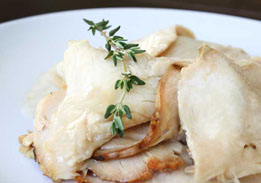
It’s been recommended to help promote sleep for decades. And it’s not just an urban legend. Milk contains tryptophan in small amounts. Warming it up provides a comfort effect to help promote sleep.

Did you know leafy-green vegetables like broccoli, kale, spinach, and collard greens are high in calcium? If you’re not eating enough of them, you could have a calcium deficiency. And some research suggests low calcium levels may be linked to poor sleep. Good news, you’ll find lots of meals on the MagicKitchen.com menu with leafy-green vegetables.
Here’s another good dinner option to help you go to sleep...fish. Salmon, cod, tuna, and halibut contain high levels of omega-3 fatty acids. These types of fish are also high in vitamin B6. And your body uses it to produce melatonin. Try these salmon meals:
Eating well is easier with meals made for your health goals.
Browse MagicKitchen.com Meals →